Norse Atlantic collapses with no fuel hedge, stranding passengers and a Pakistani partner
The low-cost long-haul airline had no protection against the jump in jet fuel prices that followed the Iran war. Its failure leaves ticket holders and leasing partners scrambling, and shows how exposed unhedged carriers are.
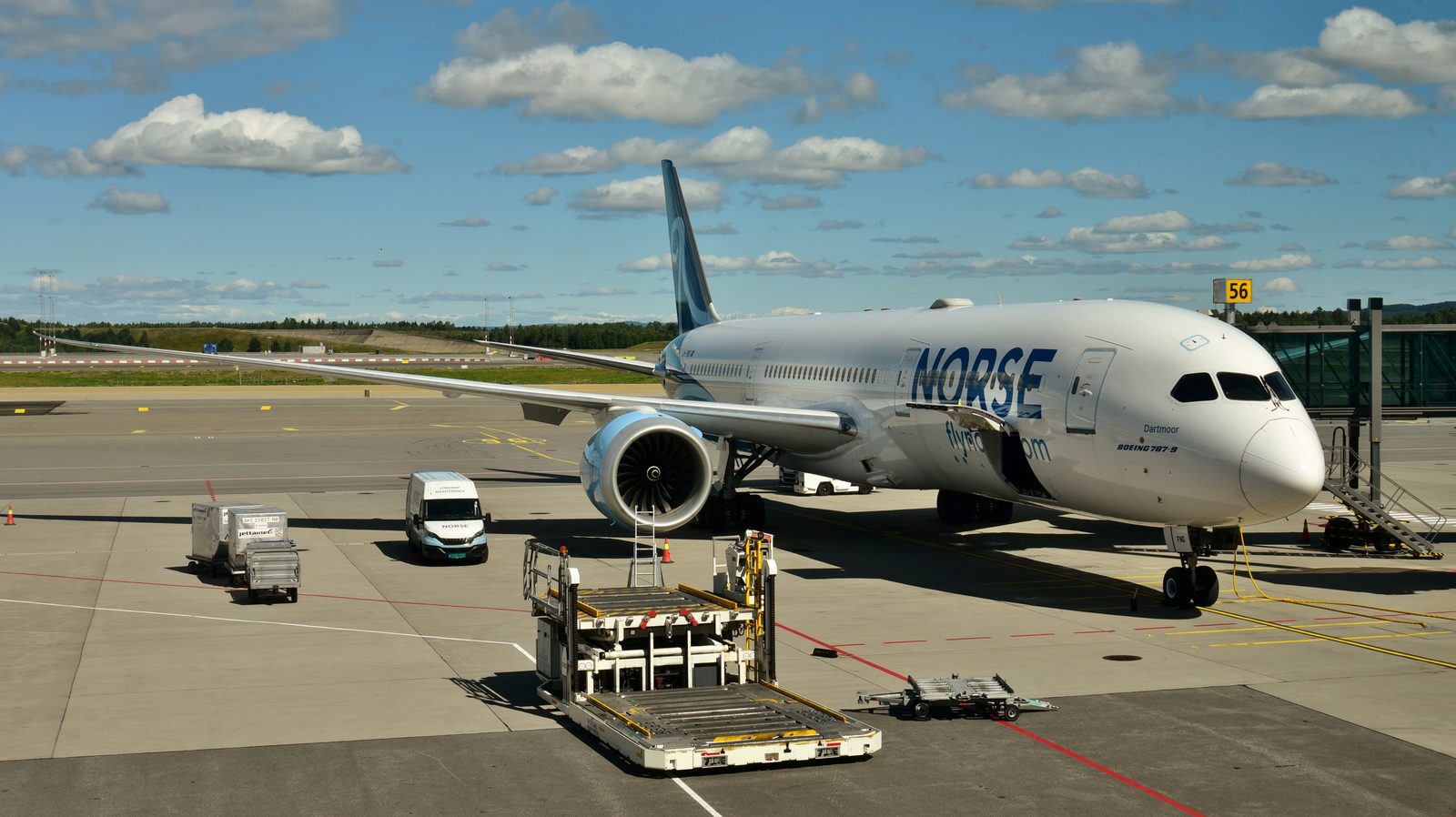

Norse Atlantic Airways AS, the Norwegian operating unit of the low-cost long-haul carrier Norse Atlantic, filed for bankruptcy on November 27, 2026, after failing to find the money to keep flying1,2,3. The company’s board lodged a petition with the Agder District Court, saying there was "no longer a basis for continued operations"1.
The filing came just days after the first warning. The airline’s flights were already suspended.
Figures on Norse Atlantic's size, losses and market value as reported in late November 2026.
- 12 planes
- Aircraft in fleet
- 14 destinations
- Destinations served
- $61.9 million
- Net loss in 2025
- $9.7 million
- Market value after share fall
Three days from warning to bankruptcy
On November 25, 2026, Norse said its financial situation was “critical” and that it urgently needed new financing to cover its short-term cash needs4. Its shares fell 85% on the news5,4.
On November 26, it suspended all flights and told the Oslo stock exchange that it would file for bankruptcy unless a short-term financing solution was found quickly6,5,4. The company said it was talking to investors about a possible takeover that would include funding, but gave no names5.
By then, the market had already priced in the outcome. At 0.04 kroner a share, the airline had a market value of just $9.7 million as of November 26, 20265.
Chief executive Eivind Roald said the board took the decision “despite extensive efforts” by the company and the group to find a solution1,2.
According to Al Jazeera, the bankruptcy covers only the Norwegian operating unit. The same report says the listed parent, Norse Atlantic ASA, and its UK subsidiary were still searching for a way forward for the remaining businesses; no other source consulted for this article has confirmed that detail1.
No fuel hedge, and a price spike
Many airlines buy fuel in advance at fixed prices, a practice called hedging, to protect themselves when prices jump. Aviation analyst John Strickland told Al Jazeera that Norse did not hedge at all, so it had no protection1. The BBC also reported that Norse does not hedge its fuel bills6.
The price jump was large. Jet fuel more than doubled at its peak in early 2026, after the US launched attacks on Iran in late February and traffic through the Strait of Hormuz fell2. Fuel typically makes up around a fifth of an airline’s costs, according to RTÉ4.
Norse was already weak before the war. DW reported a net loss of $61.9 million in 2025, and the BBC reported a loss of $94.6 million in the first half of 20262,6. The airline had been looking for a buyer since July6.
Founded in 2021 and based in Arendal, Norway, Norse had a fleet of 12 planes serving 14 destinations2.
A growing list of casualties
Norse is the second European carrier to enter bankruptcy proceedings this year, after Latvia’s airBaltic, which filed for US Chapter 11 protection in September3,5. Spanish carrier Plus Ultra announced on November 24 that it was ceasing operations5. The BBC noted that US low-cost carrier Spirit Airlines failed in May, also exposed when fuel prices soared6.
RTÉ described the global aviation industry as suffering its worst crisis since the Covid-19 pandemic, driven by a conflict that began at the end of February 20263,4.
Pakistan International Airlines was hit directly. It had been leasing aircraft and crews from Norse, and the suspension affected it6. PIA said it still hoped the aircraft could return to service, but was also weighing buying them or finding another temporary arrangement4.
Lessors are involved too. Norse signed long-term leases in 2021 for Boeing 787 Dreamliners from AerCap and BOC Aviation, and later returned three of the AerCap planes3.
Why it matters
Travellers holding Norse tickets face disruption. Before the bankruptcy, the consumer group Which? advised customers not to cancel their own flights, because doing so can remove the right to a refund. It said those stuck abroad should contact insurers, and package holiday customers their tour operator6.
For the wider industry, the case shows how fast a fuel shock can finish a carrier that is already losing money and has no cushion. The shock may not fade soon. On November 18, International Energy Agency chief Fatih Birol wrote that he saw no “credible pathway” back to the situation of February 2026 in the Strait of Hormuz, and renewed US-Iran strikes had broken a lull in fighting that week7. Gulf crude exports had recovered to more than 80% of pre-war levels in October, the IEA said, but Brent crude was still seen trading around $92.74 a barrel on November 187.
Analysis
Norse’s story combines two weaknesses: thin finances and no hedging. Airlines with both are the most likely to fail if fuel stays expensive. Whether others follow depends on how long prices stay high, which the Hormuz situation suggests is uncertain.