Spain's housing fight ends at the ballot box, and the far right may hold the keys to power
Spaniards vote on Sunday in an early election that could give the far-right Vox party a share of power for the first time since Franco's death in 1975. The conservative People's Party leads the polls but is expected to need Vox to govern.
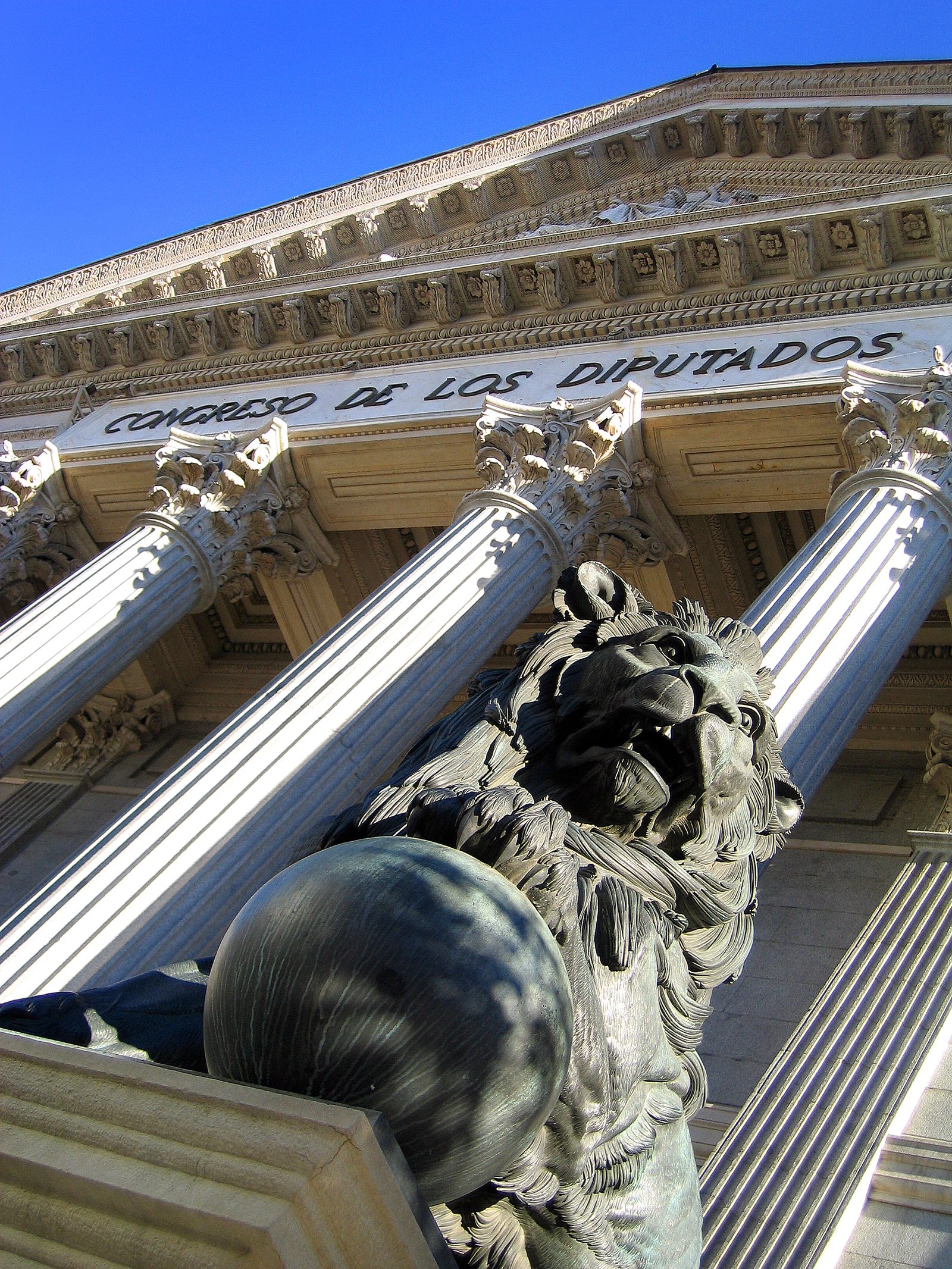
Spain holds a snap general election on Sunday, 29 November 2026, and the result could put a far-right party in national government for the first time since the country returned to democracy after the death of dictator Francisco Franco in 19751,2.
The conservative People’s Party (PP), led by Alberto Núñez Feijóo, is leading the polls. But it is expected to fall short of a majority on its own, which would leave it needing the support of Vox, the nationalist, anti-immigration party led by Santiago Abascal3,2.
Polling figures reported by Irish Times and CBS News in late November 2026, before the legal ban on publishing polls. Vox's share is an estimate and the PP figure is a poll range.
- around 17-18 per cent
- Vox polling
- 8 years
- Sánchez years in power
A vote called early over housing
The election was not due until the summer of 2027. Socialist Prime Minister Pedro Sánchez called it in October 2026 after parliament rejected emergency legislation his government had drafted to tackle Spain’s housing crisis1. The PP, Vox and the Catalan separatist party Junts all voted against the proposals1.
Sánchez has since blamed the PP and Vox for blocking protections for vulnerable tenants. The PP replies that he has had eight years to fix housing and promises to build one million homes2.
Housing is the issue that has hit Spaniards hardest during Sánchez’s time in office, according to France 24. It has played out alongside several crises, years of economic growth and population growth driven by immigration4. CBS News lists immigration and corruption among the public’s other grievances2.
What the polls say
As of late November 2026, polls put Vox at around 17 to 18 per cent of the vote and the PP at about 30 to 31 per cent2,5. The Socialists (PSOE) have narrowed the gap with the PP to fewer than three percentage points, The Guardian reported1.
Publishing opinion polls became illegal in the final days before the vote, so the latest surveys date from before the ban. Nearly all of them showed a clear advantage for a possible PP-Vox coalition, according to the Irish Times5.
Sánchez says he does not believe them. On Friday 27 November, he told reporters he was convinced he would win a left-wing majority. He said internal data suggested his party would take the most votes and could then govern with smaller left-wing allies5.
The Vox factor
Abascal, 50, has spent his career attacking Spain’s political establishment. Politico Europe says he is now poised to join it3. He told a rally in Alicante that Vox was the only party to have grown since 20233. A YouGov poll gave him a 7.9 out of 10 rating among likely Vox voters, ahead of Sánchez’s 7.5 among Socialists and Feijóo’s 6.9 among PP supporters3.
The PP was once wary of Vox. It has grown more willing to work with it, and the two parties already govern together in some regions2. Vox has also reached out to voters of separatist parties such as Aliança Catalana. At a recent rally in Catalonia, Abascal shouted "Long Live Catalonia!"5.
Sánchez is trying to turn the prospect of Vox in power into a reason for left-leaning voters to turn out. He presents the vote as a stark choice between progressive and reactionary forces1,2.
Why it matters
For decades, Spain stood out in Europe as a country where the far right had no place in national government. A PP-Vox coalition would end that. It would also add Spain to the list of major European countries moving to the right, CBS News noted2.
The outcome will also shape housing policy for millions of renters. The parties disagree sharply on how to deal with the crisis that triggered the vote1,2.
Analysis
The result may depend less on who finishes first than on whether the right adds up to a majority. A narrow PP lead over the Socialists means little if Sánchez can still assemble enough allies. Polls have been wrong before: Sánchez pulled off a comeback in 2023, as Abascal himself recalled3. With publication of new polls banned, nobody outside the parties knows how close the race is until the votes are counted.