A UN expert on Palestinian rights was held at an airport until a court stepped in. What it says about UN access
Francesca Albanese, the UN's expert on the occupied Palestinian territories, was refused entry to Costa Rica on 'national security' grounds and held at the airport until a court order. The case tests how states treat independent UN experts.
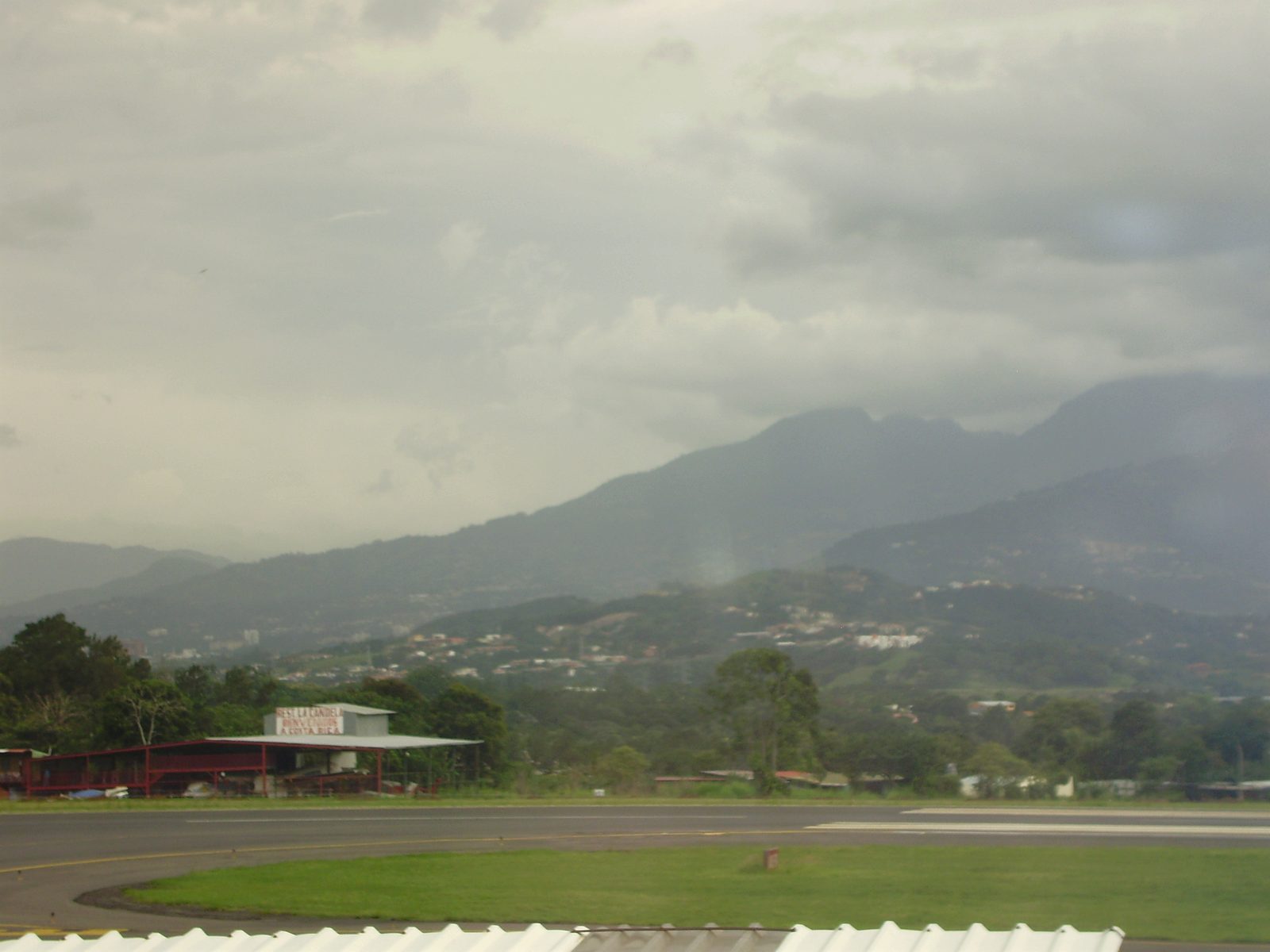
Francesca Albanese, the UN special rapporteur on the occupied Palestinian territories, left Costa Rica for Mexico on Saturday 28 November 2026 after spending two nights held at San Jose airport, where she had been refused entry1,2,3.
She was only allowed to go to a nearby hotel that morning, following an order from Costa Rica’s Constitutional Court. She then flew to Mexico City, where she arrived at about 10.30am local time and was met by supporters with Palestinian flags and flowers2,3.
Figures and dates reported in the press and UN statements about the Costa Rica entry denial, 26 to 28 November 2026.
- More than 400 people
- Signatories of open letter
- July 2025
- US sanctions imposed on Albanese
What happened at the airport
Albanese, an Italian national, was stopped at the airport in San Jose on Thursday 26 November and not allowed into the country on “national security” grounds2,3. The Costa Rican government said she was the subject of an international alert over alleged links to terrorist acts1.
Albanese had come to receive an honorary doctorate from the University of Costa Rica2,3. In the end she accepted it remotely, and used the ceremony to call for an investigation into whether the refusal was connected to US sanctions against her2.
On the first night she posted a photo of airport seats on X, writing that this was where she would spend her first night in Costa Rica4. After the court order, she said on X that immigration police were still not letting her leave, and asked whether she was being detained1. She also said Air France staff were “actively ignoring” the ruling, and that she had been awake for more than 50 hours3.
After being refused entry, she warned that Costa Rica would face consequences for what she described as baseless “terrorism” claims1. Costa Rica’s government, for its part, spoke of “pressure” from neighbouring countries1.
Reactions
UN human rights chief Volker Türk said on Friday 27 November that he was “deeply concerned”. He called the decision “difficult to reconcile” with Costa Rica’s long record on human rights and asked the authorities to reconsider urgently and let her in2,4.
Italy’s foreign ministry said its embassy in Costa Rica was giving Albanese consular help, and Italy’s foreign minister said the country had repeatedly asked Costa Rican authorities to admit her1,3.
On the other side, Israel’s ambassador to the UN, Danny Danon, praised Costa Rica’s decision. He accused Albanese of using her UN role to spread propaganda against Israel2.
More than 400 people also signed an open letter, published on Friday by the Costa Rican outlet SURCOS Digital. It asked Rebeca Grynspan, Costa Rica’s candidate to become UN secretary-general, to press her government to let Albanese in5. Grynspan had not responded to a request for comment when Al Jazeera reported on the letter5.
The US sanctions backdrop
The United States imposed sanctions on Albanese in July 2025. Washington said she had “directly engaged” with the International Criminal Court against US and Israeli nationals4. In October 2025 the sanctions stopped her from presenting a report to the UN General Assembly in New York4. Albanese has accused Israel of genocide in Gaza and the occupied territories1.
Al Jazeera noted that holding her at the airport put a spotlight on Costa Rica’s growing closeness to Washington and Jerusalem on security and foreign affairs3.
Why it matters
Special rapporteurs are independent experts appointed by the UN to report on specific issues. They depend on countries letting them travel and speak. A government that bars one, citing security, sets a precedent others can point to.
The case also puts Costa Rica in an awkward position at the UN. Its government is backing Grynspan’s bid for the top UN job, and member states will be watching whether and how she responds, Al Jazeera reported5.
Analysis
The sources show a clear split between the Costa Rican government and its own Constitutional Court, which ordered Albanese moved to a hotel. They do not show what evidence lay behind the alert the government cited, and Albanese has denied the terrorism accusation1. That question remains open.